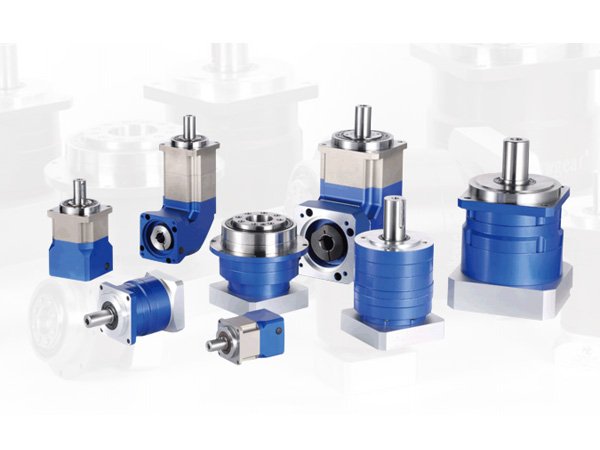
Planetary retarders are used in vehicles, preferably in heavy-duty trucks, as additional wear-free continuous braking devices to alleviate the load on the wheel brakes, which typically function as friction brakes. For instance, during high-speed braking, for vehicles with high total weight, or during prolonged downhill driving, the retarder reduces wear and prevents the friction brakes from overheating.
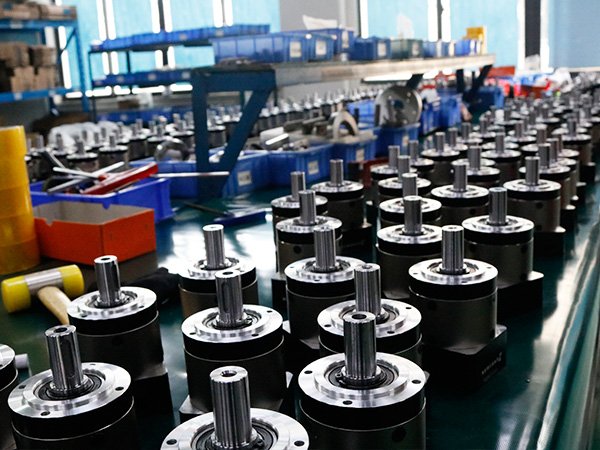
The planetary retarder control device typically drives the retarder via an actuator—especially an electromagnetic directional control valve—based on signals at the signal input end. The actuator may be located inside or outside the retarder control device. Correspondingly, at least one signal output is provided on the retarder control device. In the broadest sense, this can be understood either as a signal output for electrical or electronic signals or as a signal output that guides a control medium, such as using the control medium (air) to drive the retarder. This can involve operating the retarder’s intake or exhaust valve with the control medium or, by applying pressure to the working medium reservoir, forcing more or less working medium into the retarder’s working chamber.
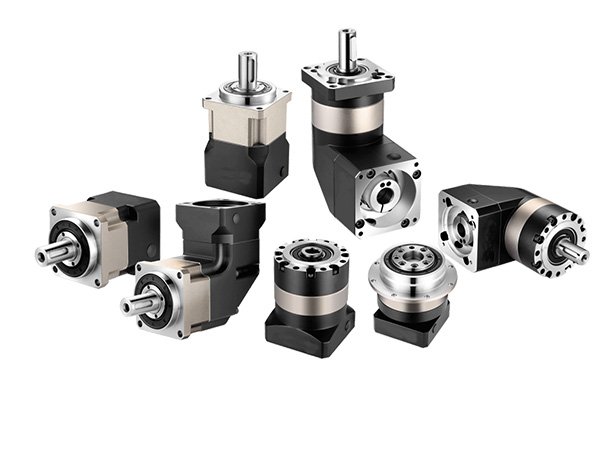
The disassembly and assembly of freight trains have evolved from flat shunting to gravity hump rolling operations, fundamentally transforming vehicle operations. The installation and use of planetary retarders have mechanized hump rolling operations, further advancing them to semi-automation and automation. This has enhanced hump disassembly capacity, ensured shunting safety and personal security, reduced labor intensity for workers, minimized rail wear and wheel tread damage, delivering significant social and economic benefits.